


Why energy conservation is so important in schools
Schools are not only places of learning, but also major energy consumers. An average school in Germany consumes approximately 100,000 kilowatt-hours of electricity and 1,000,000 kilowatt-hours of heat annually, which amounts to electricity costs of around 50,000 euros and heating costs of approximately 100,000 euros. Energy consumption is also very high in elementary schools.
These figures illustrate just how high energy demand is in educational institutions—and what financial burdens are associated with it. But with our tips and measures, which we’ll share with you in this blog post, you can significantly reduce energy consumption, save money in the long term, and increase energy efficiency in schools—for the benefit of the budget, the environment, and the climate. Learn more now!
Do you need building services planning for your non-residential building? Then contact us; we’d be happy to advise you.
What consumes the most energy at school?
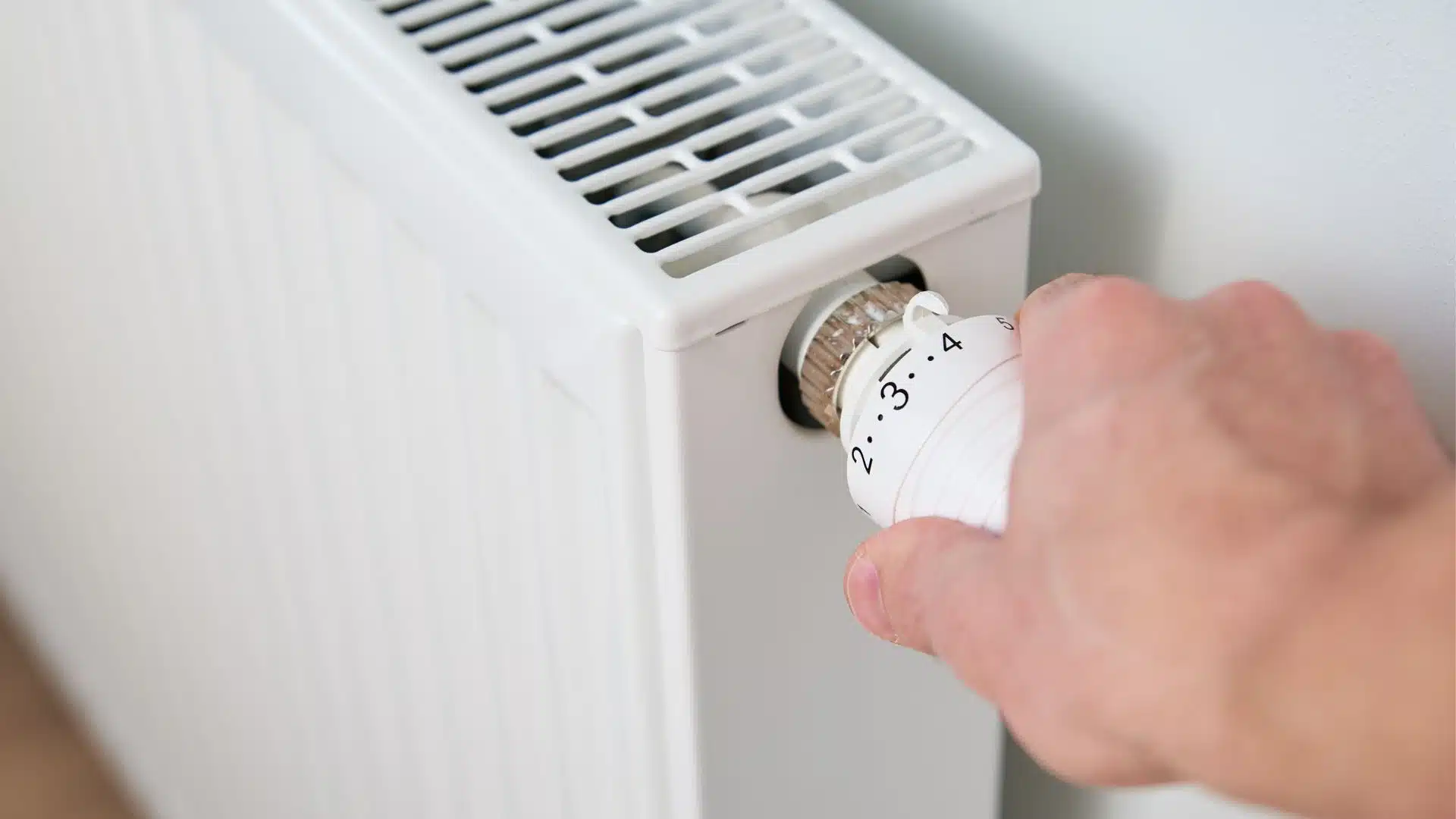
The largest share of energy consumption in schools is accounted for by heating the buildings. Outdated heating systems, inadequate insulation and inefficiently insulated windows contribute significantly to high heat losses. In addition, the Power consumption for lighting, IT and other electrical devices play a significant role. The number 1 electricity consumer in schools is the Lighting.
Do you have any questions or need advice?
-
Do you need advice on the best ways to reduce heating and electricity costs through automation? If so, please feel free to contact me!Tristan Hinnah, Sales


How can you save energy in a school?
Our energy-saving tips:


How our products help you save energy at school
More blog posts
Would you like to make your school more energy-efficient and need help with the implementation? With us you can energy saving targets achieve.
Then contact us! We’re glad to help.


